Free AI Eye Color Test Online

What color are my eyes? Find out with a photo and our AI eye color test

This free eye color scanner tells you your exact shade in seconds. Upload a clear photo, and the AI reads the iris, flecks, limbal ring and more. You get your eye color, undertone, how rare it is, face shape, eye shape, skin tone and hair color. No sign up. Your photo is deleted after the scan.

Photo deleted after scan Result in seconds No sign up
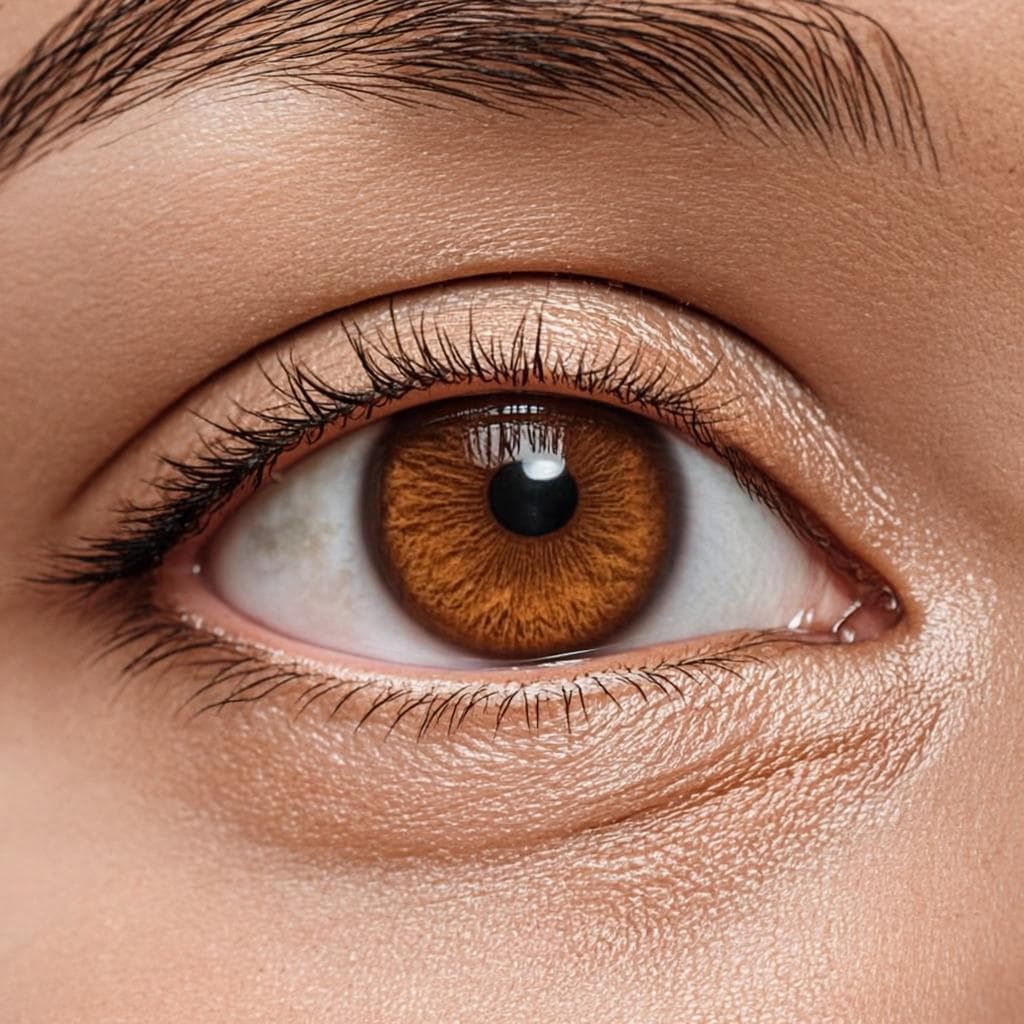
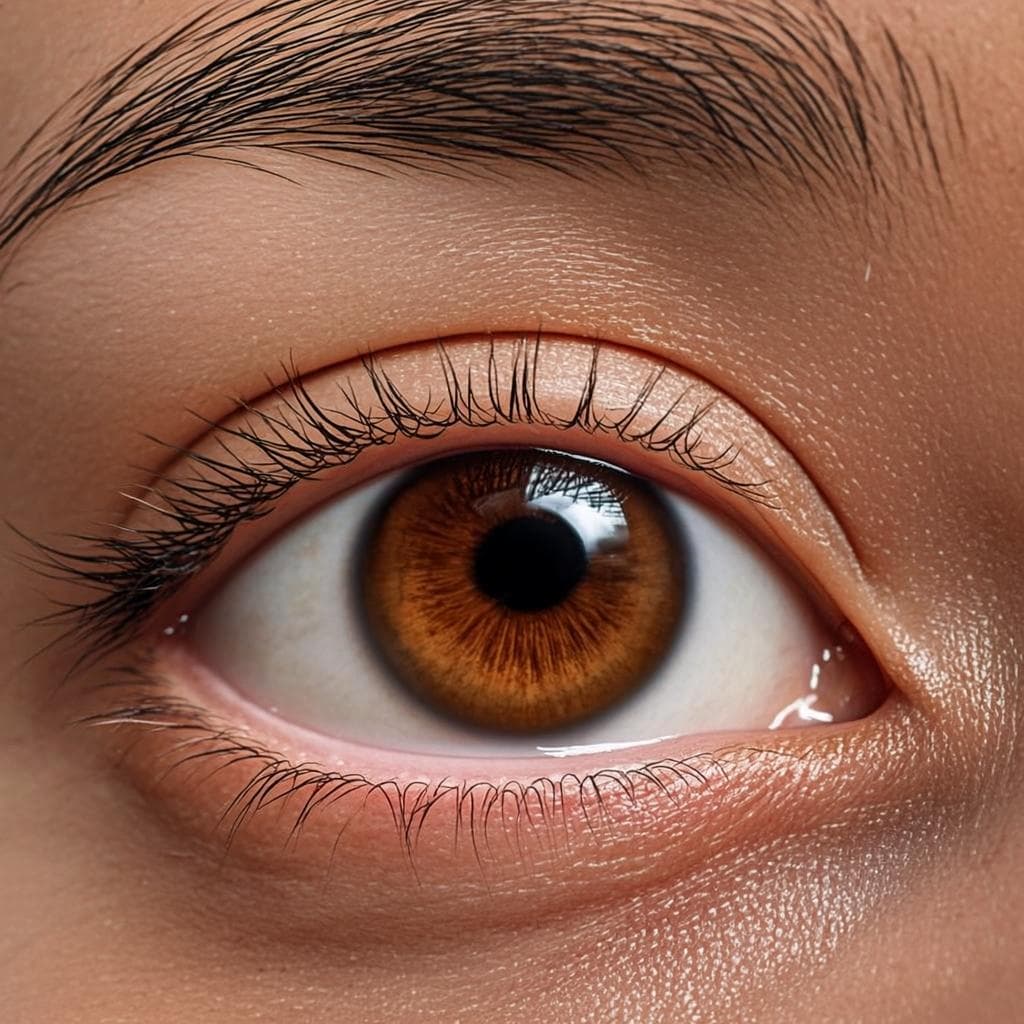
Real photo of brown eye color
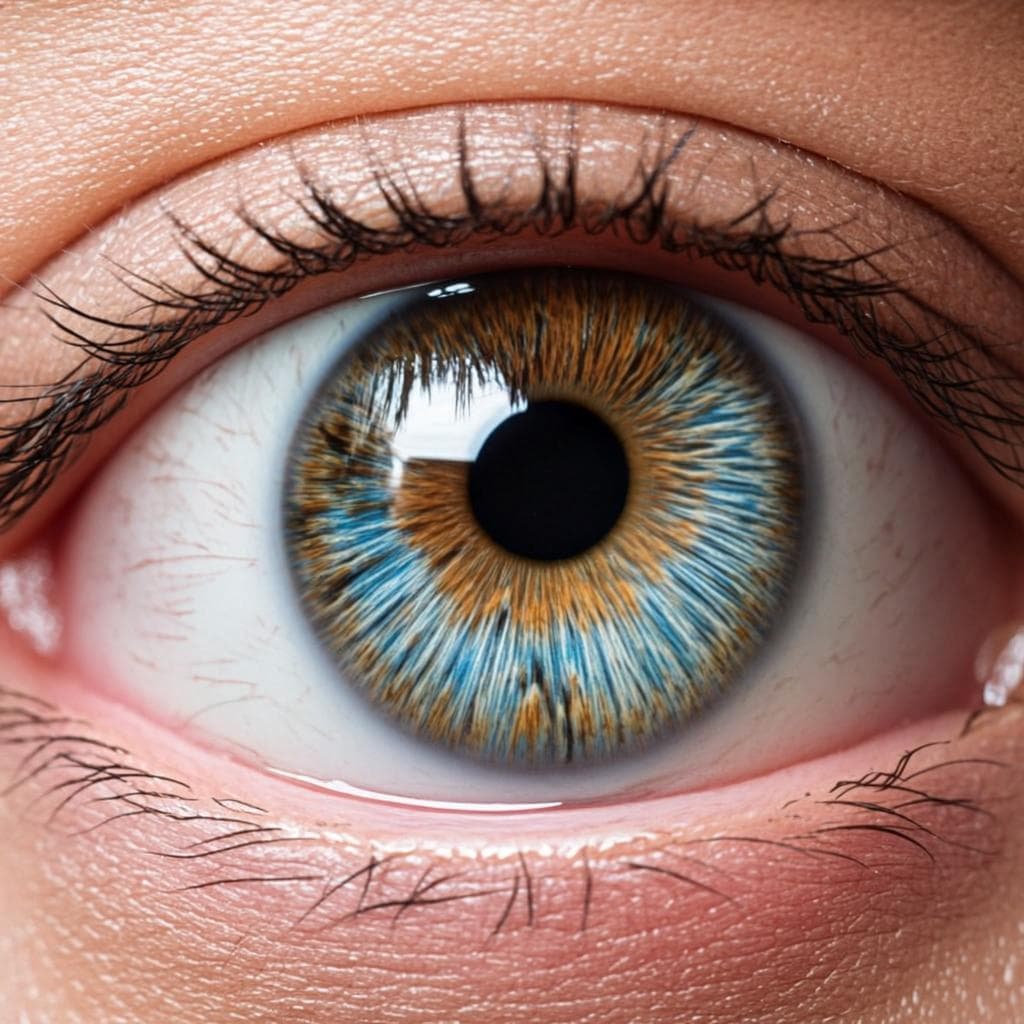
Real photo of hazel eye color
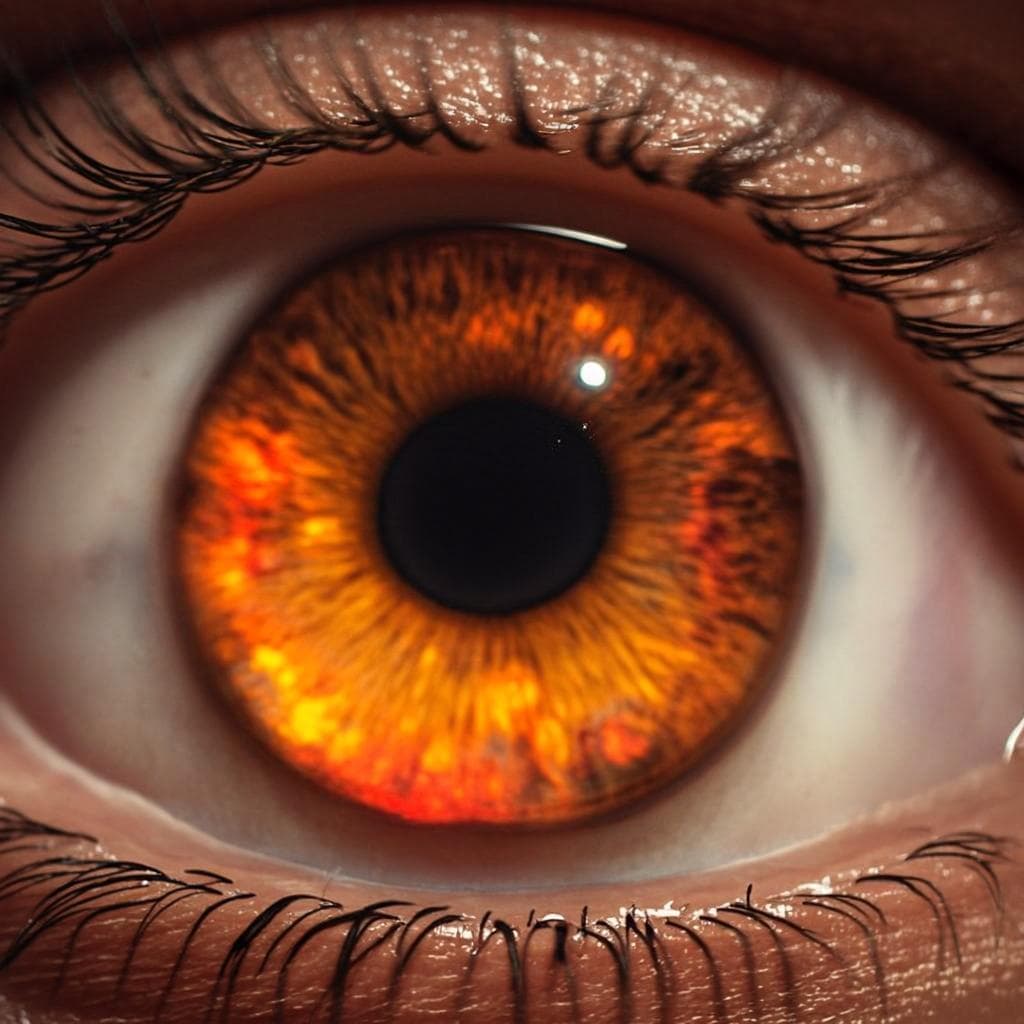
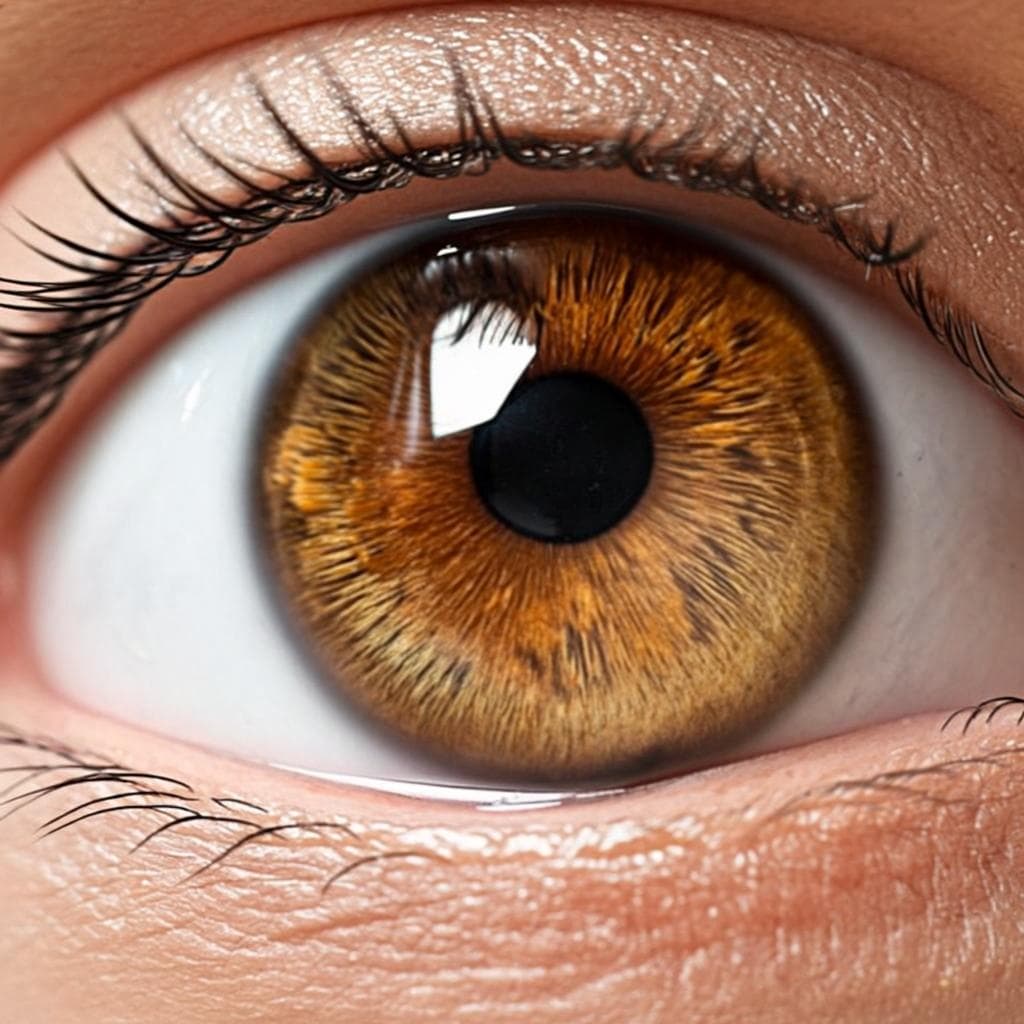
Real photo of amber eye color
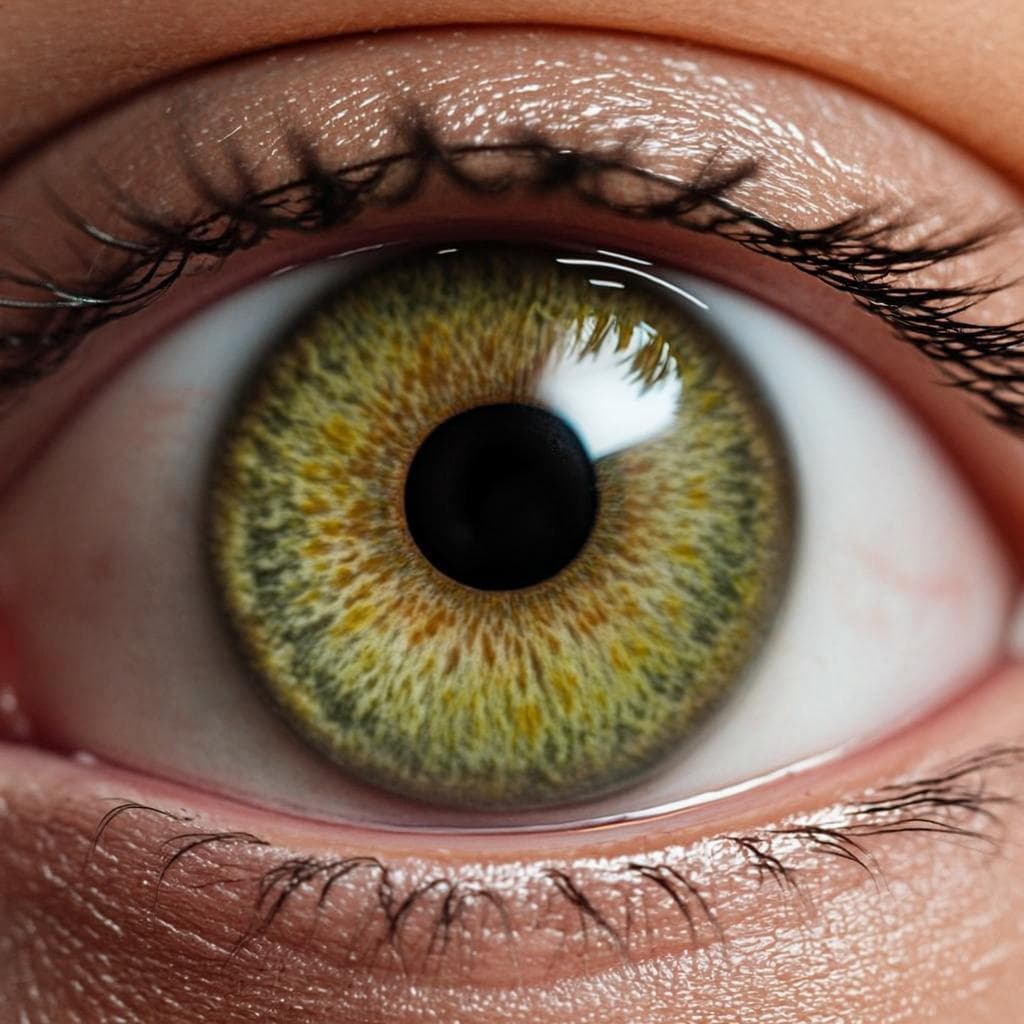
Real photo of green eye color
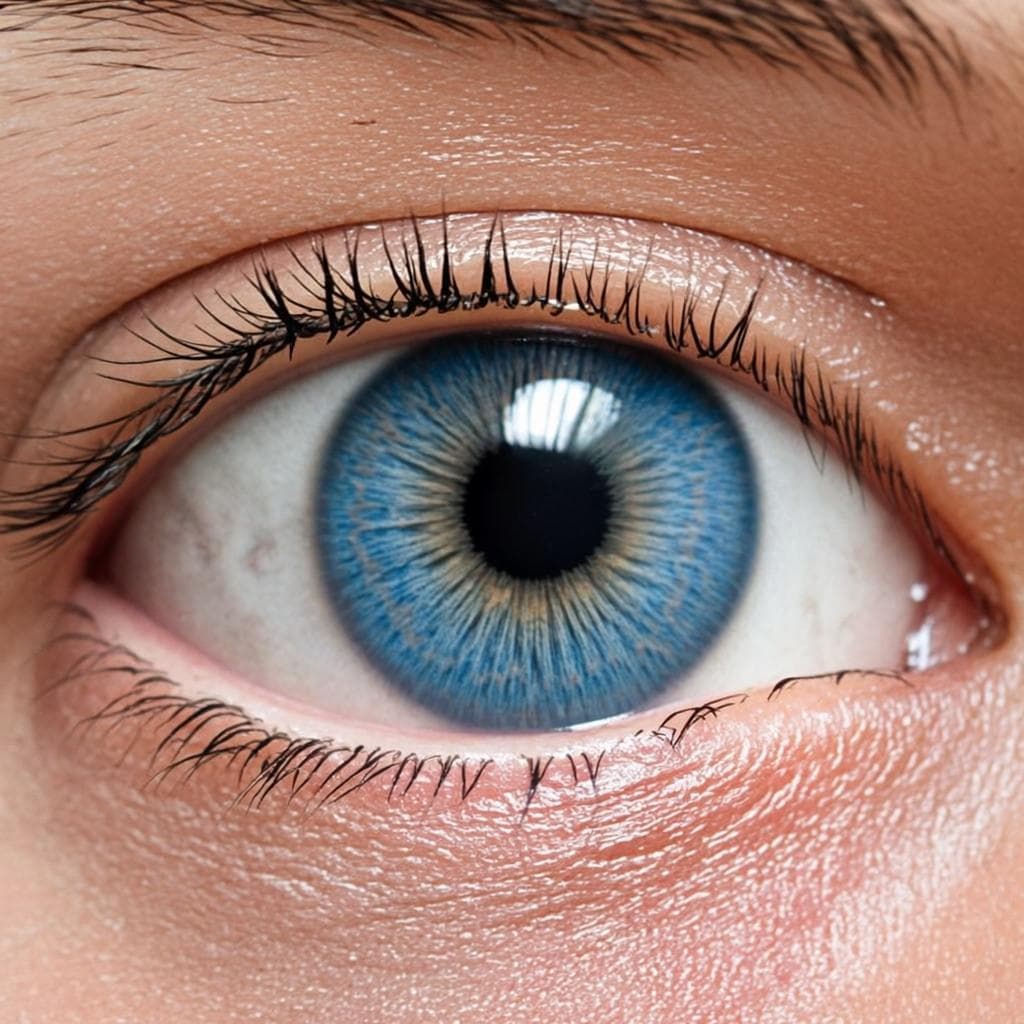
Real photo of blue eye color
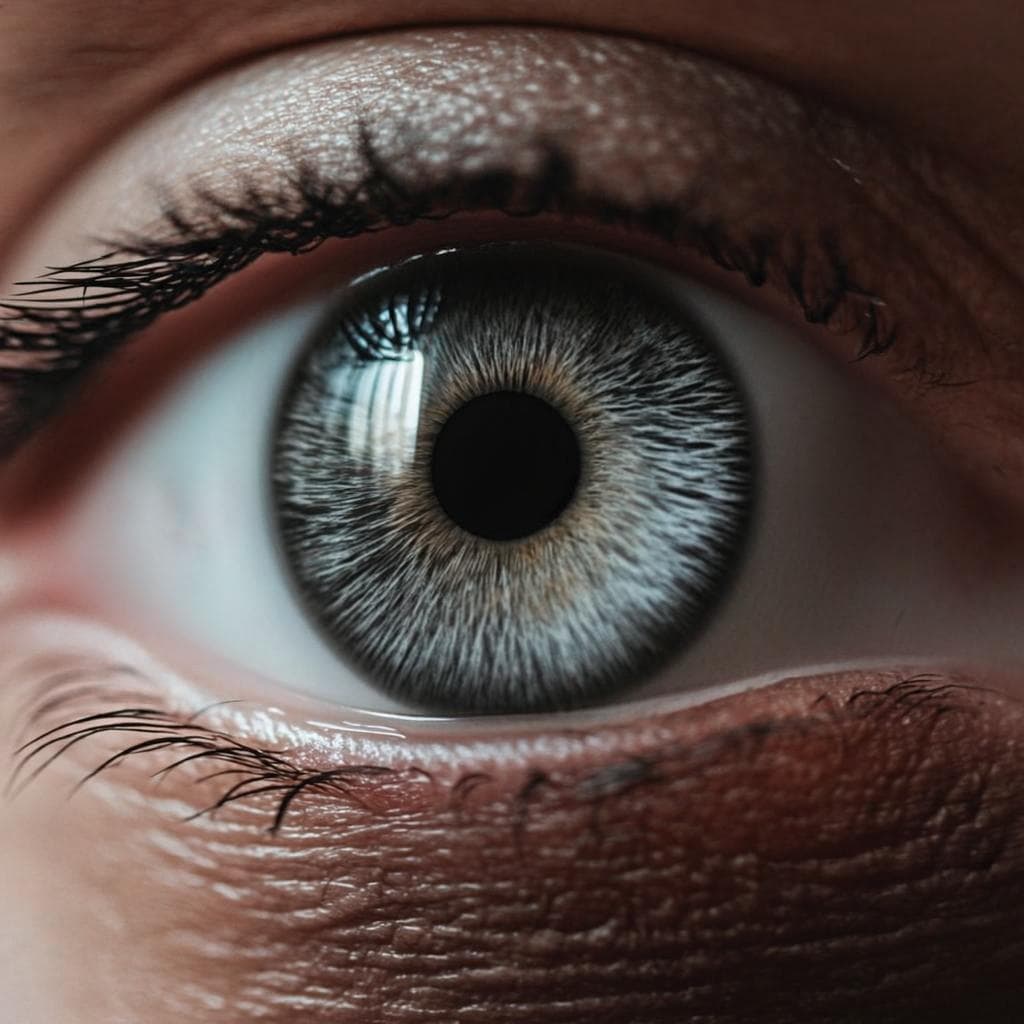
Real photo of gray eye color
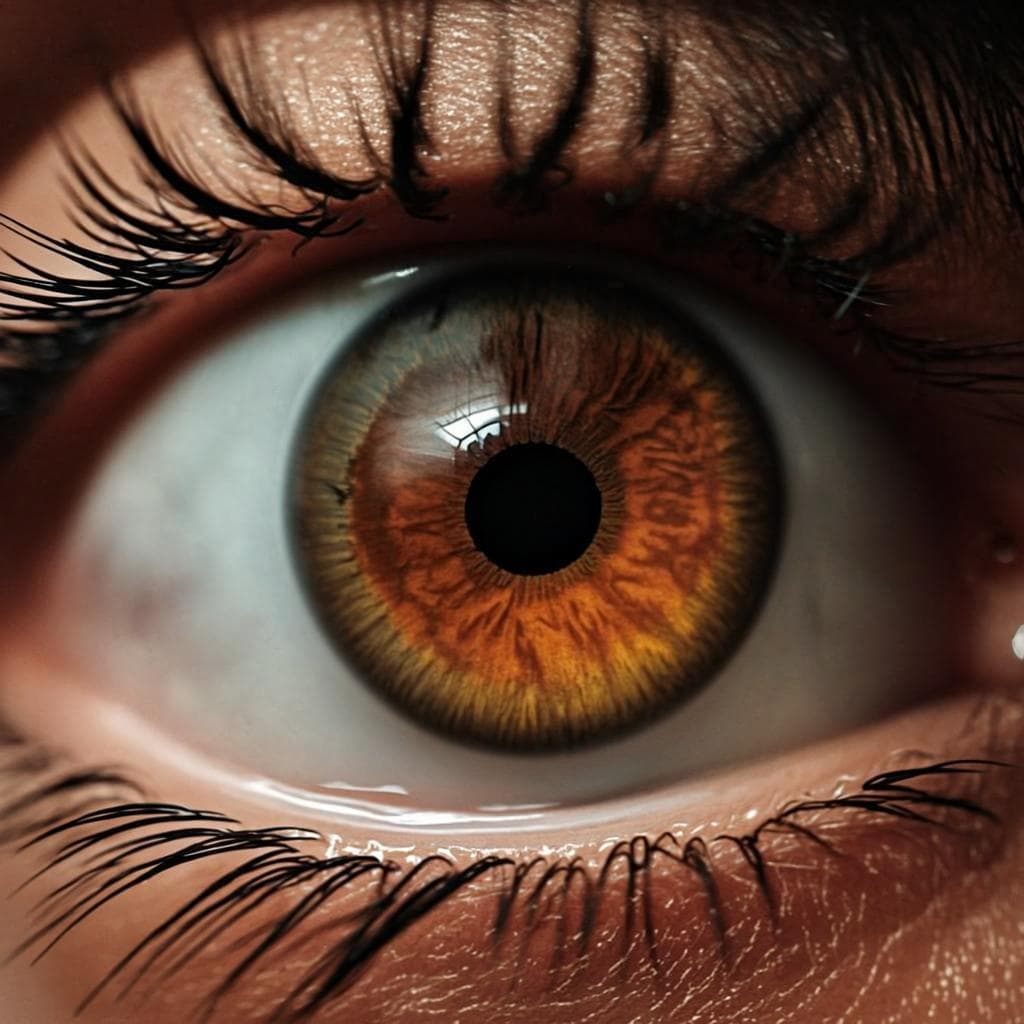
A close up photo of a hazel and brown human eye used for AI color scanning
Free AI Eye Color Scanner

Find your true eye color in seconds

Upload a clear photo of your eye. Our AI scanner reads the iris, flecks, rings and more to give you the exact shade, plus rarity, undertone, face shape, eye shape, skin tone and hair color.

Photo deleted after scan Works on all eye colors No sign up needed
A real human eye photo placeholder before you scan

Your full eye report shows here

Upload a photo, tick the box, then click Scan. In a few seconds you will see your eye color, undertone, rarity, iris reading, flecks, face shape, eye shape, skin tone, hair color and an eye beauty note.

  • Exact shade and undertone
  • Rarity and what makes your iris unique
  • Limbal ring, central ring, flecks and crypts
  • Face shape, eye shape, skin tone, hair color
  • Eye beauty note
How it works

From photo to full eye report in three steps

The whole scan takes a few seconds. Here is what happens from the time you upload your photo to the time you see your full report.

  1. Step 01

    Upload a clear eye photo

    Take a close shot near a window with soft day light. No flash. PNG, JPG, or WebP up to 12 MB.

  2. Step 02

    Let our AI scan your iris

    We find the iris, cut out the pupil and any glare, then read the color pixel by pixel. We also read your face shape, eye shape, skin tone and hair color from the same photo.

  3. Step 03

    Get your exact eye color

    You see your true shade, undertone, how rare it is, and a beauty note for your eyes.

  4. Step 04

    See your full face read

    Face shape, eye shape, skin tone and hair color show in one report. No need for a new photo.

  5. Step 05

    Read your iris patterns

    Limbal ring, central ring, and flecks and crypts all show up so you can see what makes your iris unique.

  6. Step 06

    Your photo is deleted

    Right after the scan, we delete your photo. We do not keep it or share it. Your privacy is safe.

Eye Color Chart

All natural eye colors in one chart

From dark brown to rare violet and red, here is the full eye color chart with real eye photos. Each card shows the shade, hex color, how rare it is in the world, and the undertone. Use it to name your own shade or pick a contact lens.

Real photo of dark brown eye color
Dark Brown
#3a2410
~55%Warm

Very high melanin. Looks near black indoors.

Real photo of brown eye color
Brown
#5e3a20
~24%Warm

High melanin. Rich and warm in the sun.

Real photo of light brown eye color
Light Brown
#8a5a2c
~6%Warm

Medium melanin. Can look gold in light.

Real photo of hazel eye color
Hazel
#8a6a3a
~5%Warm

Mix of brown, gold and green tones.

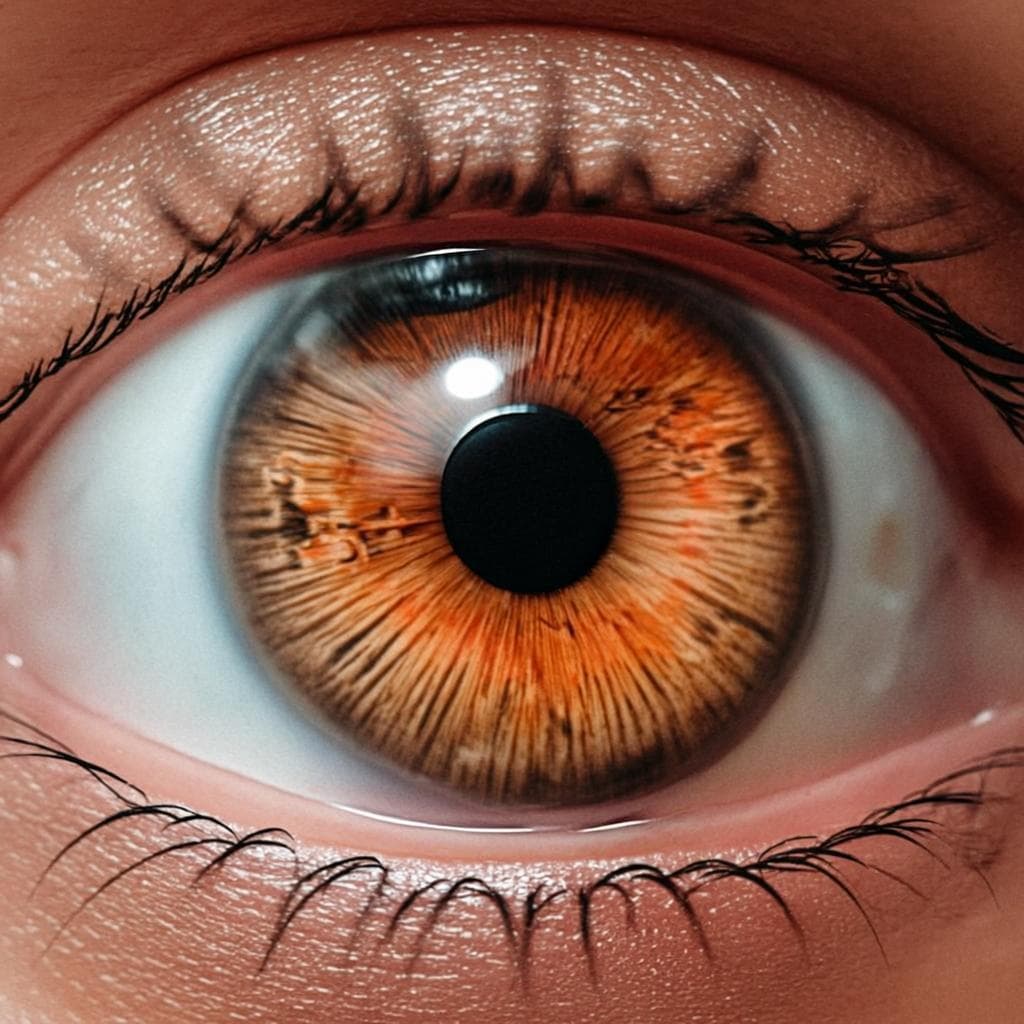
Real photo of amber eye color
Amber
#c98a1c
~5%Warm

Gold or copper. Comes from lipochrome.

Real photo of green eye color
Green
#4c844e
~2%Cool

Light scatter, not green pigment.

Real photo of blue eye color
Blue
#5284bc
~8%Cool

Light scatter on a pale iris.

Real photo of gray eye color
Gray
#6e737f
~1%Cool

Pale, with more collagen in the stroma.

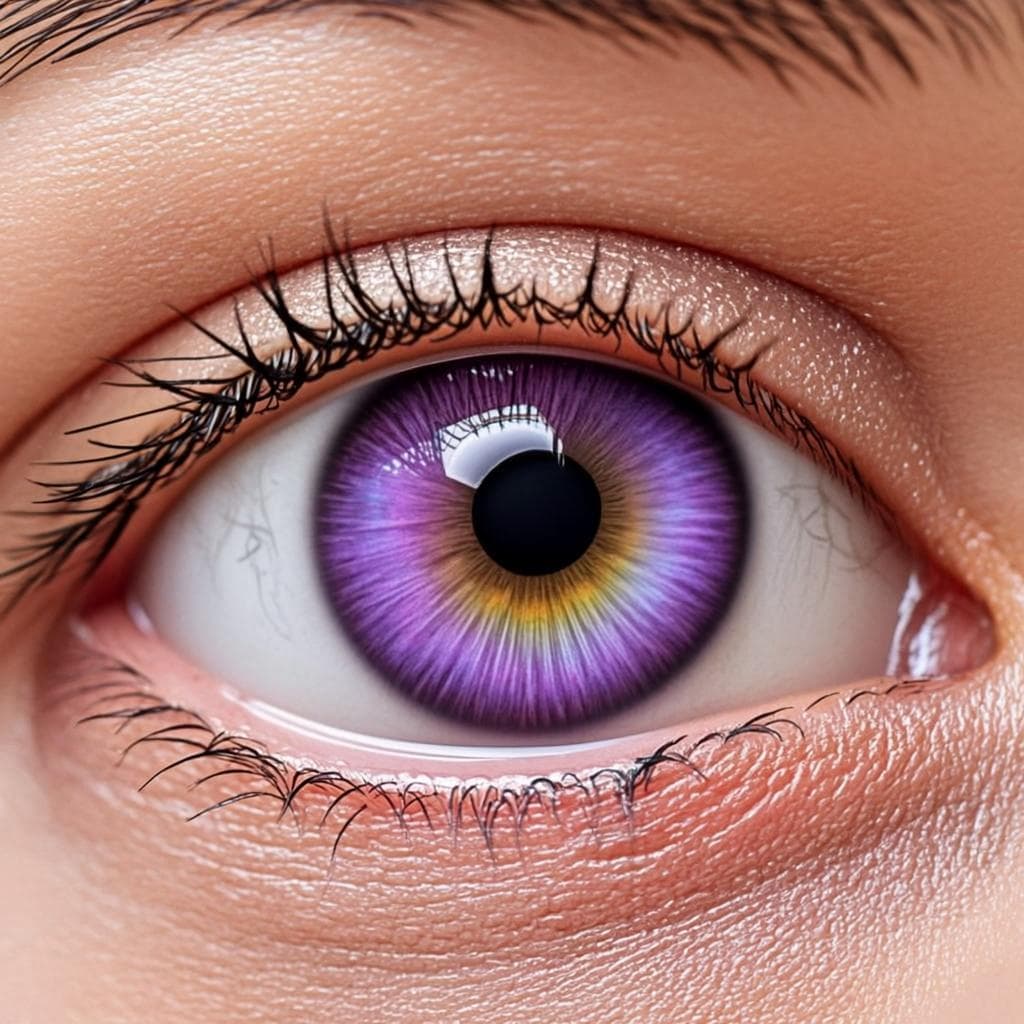
Real photo of violet eye color
Violet
#8a5fb0
<1%Cool

Rare. Most are light scatter on pale eyes.

Real photo of red / pink eye color
Red / Pink
#b04050
<1%Neutral

Found with albinism. No melanin in the iris.

Why our scanner is unique

More than just an eye color test

I built this tool to be more than a quick color match. Here is what makes our eye color scanner stand out from the rest.

Free

Exact shade, not a guess

Our AI reads the iris pixel by pixel. You get the true shade plus the undertone (warm, cool, or neutral).

Free

Iris reading report

See your limbal ring, central ring, and flecks and crypts scores. Each one shows what makes your iris unique.

Free

Rarity and undertone

Know how rare your eye color is in the world. Brown is most common, gray and violet are the most rare.

Free

Full face read

Face shape, eye shape, skin tone and hair color all show up from the same photo. No need for a new upload.

Soon

Scan history (coming soon)

Save your scans to see how your eye color changes over time. Sign in to keep your scans safe.

Free

Eye beauty score

Our AI writes a short note on the look of your eyes. Aesthetic, not medical. Just a fun extra.

Free + premium, the best of both worlds

My plan for this site is a mix. The basic eye color test stays free, paid for by light ads on the guide pages. A paid plan will add scan history, high res scans, no ads, and an eye color DNA quiz. This keeps the tool free for all and lets power users go deeper. It is a better path than ads alone, and a better path than a full paywall.

Free tierPremium tier soonNo sign up for free tier
Eye Color Guide

Read the full eye color guide

Each guide is in plain words so a kid can read it. Learn how eye color works, how to read it from a photo, how genes play a part, and a lot more.

Real photo of an eye for the guide: What Color Are My Eyes? Complete Eye Color Guide
8 min read
Brown, Hazel, Amber, Green, Blue, Gray

What Color Are My Eyes? Complete Eye Color Guide

If you have ever asked what color are my eyes, this guide is for you. I will walk you through how eye color works in plain words. You will learn how to read your own iris, how to tell a true color from a trick of the light, and how to find your exact shade from a photo. By the end you will know your eye color with no doubt. No big words, no hard steps, just clear help from me to you.

Read the guide
Real photo of an eye for the guide: Eye Color Chart: All Natural Eye Colors Explained
7 min read
Brown, Hazel, Amber, Green, Blue, Gray, Violet

Eye Color Chart: All Natural Eye Colors Explained

This is your full eye color chart. I will go through every natural eye color, one by one, in plain words. You will see what makes each shade, how rare it is, and what it looks like. By the end you can read the chart and know your own color fast. Let us jump in.

Read the guide
Real photo of an eye for the guide: How to Find Your Eye Color From a Photo
6 min read
Photo eye test

How to Find Your Eye Color From a Photo

You can find your true eye color from a photo. I will show you how, step by step. The trick is the light, the zoom, and a clear look at the iris. With a few small tips, you can read your eye color at home with no gear. Let us start.

Read the guide
Real photo of an eye for the guide: Eye Color Scanner: How It Works and How Accurate It Is
6 min read
AI scan

Eye Color Scanner: How It Works and How Accurate It Is

An eye color scanner reads your photo and tells you your exact shade. But how does it work, and can you trust it? I will break it down in plain words. You will see what the scanner looks at, how it picks the color, and how true the result is. Let us go.

Read the guide
Real photo of an eye for the guide: AI Eye Color Detection: Can AI Identify Your Eye Color?
7 min read
AI eye color

AI Eye Color Detection: Can AI Identify Your Eye Color?

AI can now read your eye color from a photo. But can you trust it? In this guide I will show you how AI eye color detection works, what it looks at, and how true the result is. You will also see why AI can be more exact than the human eye. Let us start.

Read the guide
Real photo of an eye for the guide: Complete Guide to Hazel, Green, Blue, Brown, Gray & Amber Eyes
9 min read
All the main eye colors

Complete Guide to Hazel, Green, Blue, Brown, Gray & Amber Eyes

Each eye color has its own look, its own cause, and its own rare score. In this guide I will go through hazel, green, blue, brown, gray and amber eyes one by one. You will learn what makes each shade, how rare it is, and how to bring out the best in your own eyes. Let us go color by color.

Read the guide
Real photo of an eye for the guide: Why Does My Eye Color Look Different in Different Lighting?
6 min read
Light and eye color

Why Does My Eye Color Look Different in Different Lighting?

Your eye color can look one shade in the sun and a new shade in the shade. Why does this happen? In this guide I will show you how light changes the look of your iris. You will learn why brown eyes look gold in the sun and why blue eyes look gray in a dim room. Let us start.

Read the guide
Real photo of an eye for the guide: How Genetics Determine Your Eye Color
7 min read
Genes and eye color

How Genetics Determine Your Eye Color

Your eye color is set by your genes. In this guide I will show you how that works in plain words. You will learn why brown eyes are most common, why blue eyes can skip a family line, and how two brown eyed parents can have a blue eyed child. Let us go.

Read the guide
Real photo of an eye for the guide: Can Your Eye Color Change? Causes Explained
7 min read
Eye color change

Can Your Eye Color Change? Causes Explained

A lot of people ask if eye color can change. The short answer is yes, a bit. But the long answer has more parts. In this guide I will show you all the causes, from light to age to meds. You will learn when a change is safe and when to see a doc. Let us start.

Read the guide
Eye color guide

The full guide to your eye color

Read this if you want to know how eye color works, how to read your own, and how our AI scanner can give you the exact shade.

If you landed on this page, you are asking the same thing many people ask. What color are my eyes? It seems like a small question. But the more we dug in, the more we found. Eye color is a mix of genes, light, and pigment. The same eye can look brown in a room and gold in the sun. The same kid can be born with blue eyes and grow up to have brown. So this page is the long answer. Read on to learn how eye color works, how to read your own, and how our free AI eye color test can give you the exact shade in a few seconds.

What color are my eyes? The short answer

Your eye color is the look of your iris, the ring around the black dot in the middle of your eye. The color comes from a pigment named melanin. The more pigment, the darker the eyes. The less pigment, the lighter the eyes. Brown eyes have the most pigment. Blue eyes have the least. Hazel, green, amber and gray sit in the middle, with some help from how light bounces in the iris.

The most common eye color in the world is brown. About 79 in 100 people have some shade of brown. Blue eyes are next, then hazel, amber, green, and gray. Violet and red are the most rare. To find your true shade, you need a clear photo and soft day light. Or you can use our AI eye color scanner.

The eye color test, step by step

Our eye color test is built to be simple. You do not need to sign up. You do not need to pay. Here is all you do.

  • Upload a clear photo of your eye. PNG, JPG, or WebP. Up to 12 MB.
  • Tick the box to say we can scan your photo. We delete it after.
  • Click Scan my eye color.
  • Wait a few seconds while our AI reads the iris, the flecks, and the rings.
  • Read your full report. Save it or share it if you want.

That is it. No long forms. No email sign up. No pay wall. We want this tool to be free for all who ask what color are my eyes.

What our eye color scanner shows you

Most eye color tools just match your eye to a chart. Ours does more. Here is the full list of what the report shows.

WhatWhy it matters
Eye colorthe exact shade name, like Dark Brown or Hazel
Undertonewarm, cool, or neutral. Helps with makeup and clothes
Rarityhow rare your shade is in the world
Iris readinglimbal ring, central ring, flecks and crypts scores
Flecksthe tiny dots of color in your iris
Eye shapealmond, round, hooded, monolid, upturned, or downturned
Face shapeoval, round, square, heart, long, or diamond
Skin tonefair, light, medium, tan, deep, or rich dark
Hair colorfrom the same photo
Eye beautya short AI note on the look of your eyes

You get all this from one photo. No need for a new shot for each read. The AI looks at the photo as a whole and pulls out each part.

The eye color chart, in plain words

An eye color chart shows the main shades of eyes in a row. You can use it to name your own shade or pick a contact lens. The chart goes from dark brown at the top to rare violet at the bottom. Brown is the most common, violet is the most rare. Each shade has its own mix of pigment and light scatter.

We have a full chart on this page. You can scroll down to see it. Or you can use the AI scanner to skip the guess work and get the exact shade.

Brown, blue, green, hazel, gray and amber eyes

Each eye color has its own look and its own cause. Let me walk you through the main ones.

Brown eyes

Brown eyes have a lot of pigment. The more pigment, the darker the brown. Dark brown can look near black in a dim room. Light brown can glow gold in the sun. Brown is the most common eye color on earth.

Blue eyes

Blue eyes have no blue dye in them. The blue look comes from how light scatters in the pale iris. It is the same trick that makes the sky look blue. All blue eyed people may share one old family root from long ago.

Green eyes

Green eyes have no green dye. The color comes from low melanin plus light scatter. Green is very rare, only about 2 in 100 people. It is most common in some parts of Europe.

Hazel eyes

Hazel eyes are a true mix. They can have brown, gold and green all in one iris. The shade can change in different light. Most hazel eyes have gold flecks near the pupil.

Gray eyes

Gray eyes are very rare. They have very low pigment and more collagen in the iris stroma. Some gray eyes can look blue or green in different light.

Amber eyes

Amber eyes are gold or copper. The color comes from a pigment named lipochrome. Amber is one of the most rare eye colors in humans.

How genes set your eye color

Your eye color is set by genes from both parents. The main gene for eye color is named OCA2. It tells the body how much pigment to put in your iris. There is also a gene named HERC2 that can turn OCA2 on or off. If HERC2 is set a certain way, the body makes less pigment, so the eyes look blue.

The brown eye gene is the top one. If you get a brown gene from one parent and a blue gene from the other, you will have brown eyes. This is why brown is the most common shade in the world.

Two brown eyed parents can have a blue eyed child if both carry a hidden blue gene. The brown gene is on top in the parents, but the child can get two blue genes. This is rare but it can happen.

Why your eye color can look different in light

Your eye color can look one shade in the sun and a new shade in the shade. This is normal. The light changes how your iris looks, not your true color. Soft day light shows the true shade. A yellow bulb makes eyes look warm. A blue screen makes eyes look cool.

Brown eyes can look gold in the sun. Blue eyes can look gray in a dim room. Hazel eyes change the most, since they are a true mix. The same hazel eye can look brown, gold, or green in different light.

Can your eye color change?

Eye color can change a bit. Most change happens when you are a baby. A baby born with blue eyes can grow up to have brown eyes as pigment builds up. By age 1 to 3, the true color shows.

Grown ups can see a small shift in different light. Some meds can change eye color too. The top one is a drop named latanoprost, used for an eye illness named glaucoma. Some illnesses can also change eye color. If your eyes change fast, with pain or a change in sight, see a doc.

How to find your true eye color from a photo

A clear photo is the best way to read your eye color. You can zoom in on the iris, see the flecks, and match the shade to a chart. Here is how to do it right.

  • Stand near a window with soft day light.
  • Take a clear photo with no flash.
  • Get close so the eye fills the middle of the frame.
  • Zoom in on the iris ring, not the pupil.
  • Match the shade to a chart or use an AI scanner.

Do not use a yellow bulb or a blue screen. Do not use the flash. Do not stand in harsh sun. All of these will change the look of your eye color.

Eye color quiz: test what you know

Want a fun way to learn about eye color? Take our eye color quiz. We will add it soon. For now, read the guide pages. Each one ends with key takeaways and a few FAQ to test what you know.

If you want to use the eye color quiz right now, the best way is to scan your own eye first. Then read the chart. Then read the guide pages. By the end, you will know more about eye color than most people on earth.

Why our eye color scanner is the best online

There are a lot of eye color tools online. Most just match your eye to a chart. Ours does more. We use AI to read the iris pixel by pixel. We also read your face shape, eye shape, skin tone, and hair color from the same photo. And we delete your photo right after the scan.

  • Free to use, no sign up.
  • AI reads the iris pixel by pixel for the exact shade.
  • Full report: iris reading, flecks, face shape, eye shape, skin tone, hair color.
  • Photo deleted after the scan.
  • Works on all eye colors, all skin tones, all face shapes.

Eye color and contact lenses

If you wear colored contact lenses, the scanner will read the lens color, not your true eye color. For a true read, take out your lenses before the photo. If you want to try a new lens color, use the eye color chart to pick a shade that fits your true color. Warm tones like brown and hazel suit warm skin. Cool tones like blue and gray suit cool skin.

Privacy and your photo

We take your privacy serious. When you upload a photo, we use it only to run the scan. We do not keep it. We do not share it. We do not use it to train new models. Right after the scan, the photo is gone.

Under the tool you will see this line: I agree to process the photo for AI analysis. The photo is deleted after analysis. Read the privacy policy. That is our promise to you. If you have a question about your data, use the contact page.

Tip: Take your photo near a window with soft day light. No flash. That is the best way to get a true read of your eye color.

What to do next

Now you know how eye color works. The next step is to find your true shade. Scroll up to the scanner and upload a clear photo. Or read one of our guide pages to learn more. Each one is short, easy, and full of tips you can use today.

FAQ

Eye color test questions, answered

The top questions I get about the eye color test, the scanner, and how true it is. If you have a new one, use the contact page.